Understanding the Role of Batteries in a Solar System
A solar battery stores excess energy generated by solar panels during the day so that it can be used during the night or during grid power outages.
The quality of your battery determines:
How long backup power lasts
How efficiently energy is stored
How often batteries need replacement
The overall reliability of the system
Choosing the wrong battery can lead to reduced performance, higher maintenance costs, and frequent replacements.
What Are Lead-Acid Batteries?
Lead-acid batteries have been used for decades in solar applications. They are available in flooded, AGM, and gel battery variants.
Advantages include:
Lower initial purchase price
Wide availability
Familiar technology
However, these advantages often come with significant long-term limitations.
What Are Lithium Iron Phosphate Batteries?
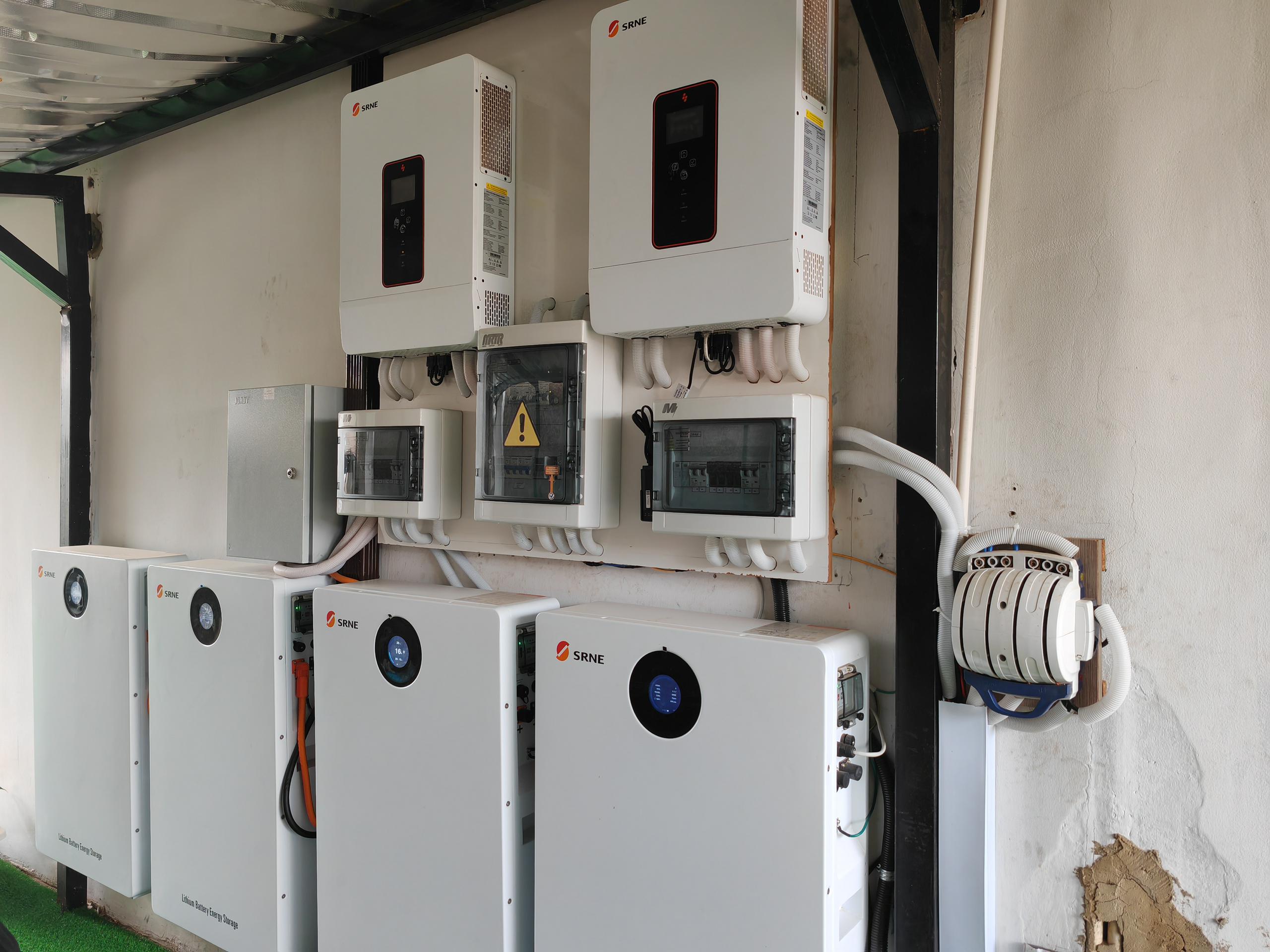
Lithium Iron Phosphate (LiFePO4) batteries are the latest generation of energy storage systems designed specifically for modern solar installations.
They incorporate advanced Battery Management Systems (BMS) that monitor:
Voltage
Current
Temperature
Charging status
Cell balancing
Safety protection
This intelligent technology significantly improves efficiency, safety, and battery lifespan.
Lifespan Comparison
One of the biggest differences between lithium and lead-acid batteries is longevity.
Traditional lead-acid batteries typically provide between 500 and 1,500 charge cycles depending on usage conditions.
Modern lithium batteries commonly provide over 6,000 charge cycles while maintaining excellent performance.
In practical terms:
A lead-acid battery may require replacement every 3 to 5 years.
A quality lithium battery can continue operating effectively for 15 to 20 years or more.
This means one lithium battery investment can replace multiple generations of lead-acid batteries.
Usable Capacity
Many customers focus on battery size but overlook usable energy.
A 10kWh lead-acid battery cannot safely discharge its entire capacity. Most manufacturers recommend using only about 50% of the stored energy to avoid damaging the battery.
This means a 10kWh lead-acid battery may provide only about 5kWh of usable energy.
A 10.24kWh lithium battery can typically provide 80–100% of its capacity safely.
As a result, lithium systems deliver substantially more usable energy from the same nominal battery size.
Charging Speed
Solar energy production is highest during daylight hours. Batteries that charge quickly can capture more available solar energy.
Lithium batteries accept high charging currents and recharge significantly faster than lead-acid alternatives.
Benefits include:
Faster recovery after power outages
Better solar utilization
Reduced generator runtime
Improved system efficiency
Maintenance Requirements
Lead-acid batteries often require:
Regular inspections
Terminal cleaning
Electrolyte monitoring
Ventilation management
Lithium batteries are essentially maintenance-free.
Once installed, the battery's internal management system automatically controls charging and protection functions.
This reduces operational costs and improves user convenience.
Energy Efficiency
Every charging cycle involves some energy loss.
Lead-acid batteries typically operate at 70–85% efficiency.
Lithium batteries often achieve efficiencies above 95%.
This means more of the energy generated by your solar panels is available for actual use.
Over many years, these efficiency gains translate into significant savings.
Safety and Technology
Modern lithium batteries contain sophisticated electronic protection systems.
These systems monitor battery health in real time and automatically protect against:
Overcharging
Over-discharging
Excessive temperatures
Short circuits
Voltage imbalance
This intelligent management contributes to both safety and reliability.
Total Cost of Ownership
Although lead-acid batteries generally have a lower purchase price, the long-term cost is often much higher.
Factors contributing to higher lifetime costs include:
More frequent replacement
Reduced efficiency
Higher maintenance requirements
Lower usable capacity
Greater downtime
Lithium batteries often deliver the lowest cost per kilowatt-hour over their lifetime.
For businesses and homeowners focused on long-term value, lithium technology consistently proves to be the more economical choice.
Why Sonic Solar UG Recommends Lithium Batteries
At Sonic Solar UG, we prioritize solutions that provide maximum value and reliability.
Our lithium battery systems offer:
More than 6,000 life cycles
Long warranty periods
High energy efficiency
Intelligent battery management
Expandable energy storage capacity
Reliable backup performance
Combined with advanced hybrid inverters, these systems provide dependable power for homes, offices, schools, hospitals, farms, and commercial facilities.
Conclusion
The energy storage market has evolved significantly over the past decade. While lead-acid batteries played an important role in the growth of solar energy, lithium technology has become the modern standard for reliable, efficient, and long-lasting energy storage.
For customers seeking lower operating costs, greater energy independence, and superior system performance, lithium batteries represent one of the smartest investments available today.
If you are planning a solar installation or upgrading an existing system, the team at Sonic Solar UG can help you design a solution that delivers reliable power and long-term savings for years to come.
Contact Sonic Solar UG Today
Let our experts assess your energy requirements and recommend the ideal lithium battery and hybrid inverter solution for your home or business.
Lithium Batteries vs Lead-Acid Batteries: Which One Saves More Money?
The Ultimate Energy Storage Comparison for Homes and Businesses in Uganda When investing in a solar power system, one of the most important decisions is choosing the right battery technology. For many years, lead-acid batteries dominated the solar industry. However, advances in energy storage technology have introduced Lithium Iron Phosphate (LiFePO4) batteries, which are now becoming the preferred choice for homeowners, businesses, schools, hospitals, and industrial facilities. At Sonic Solar UG, we have installed and evaluated both technologies across various applications. The results are clear: lithium batteries provide superior performance, longer lifespan, lower maintenance requirements, and significantly better long-term value. This guide explains the differences and helps you understand which option offers the best return on investment.
Related Articles
Invest in Uganda's Solar Energy Future
A High-Growth Renewable Energy Investment Opportunity...
Jun 24, 2026
Read More
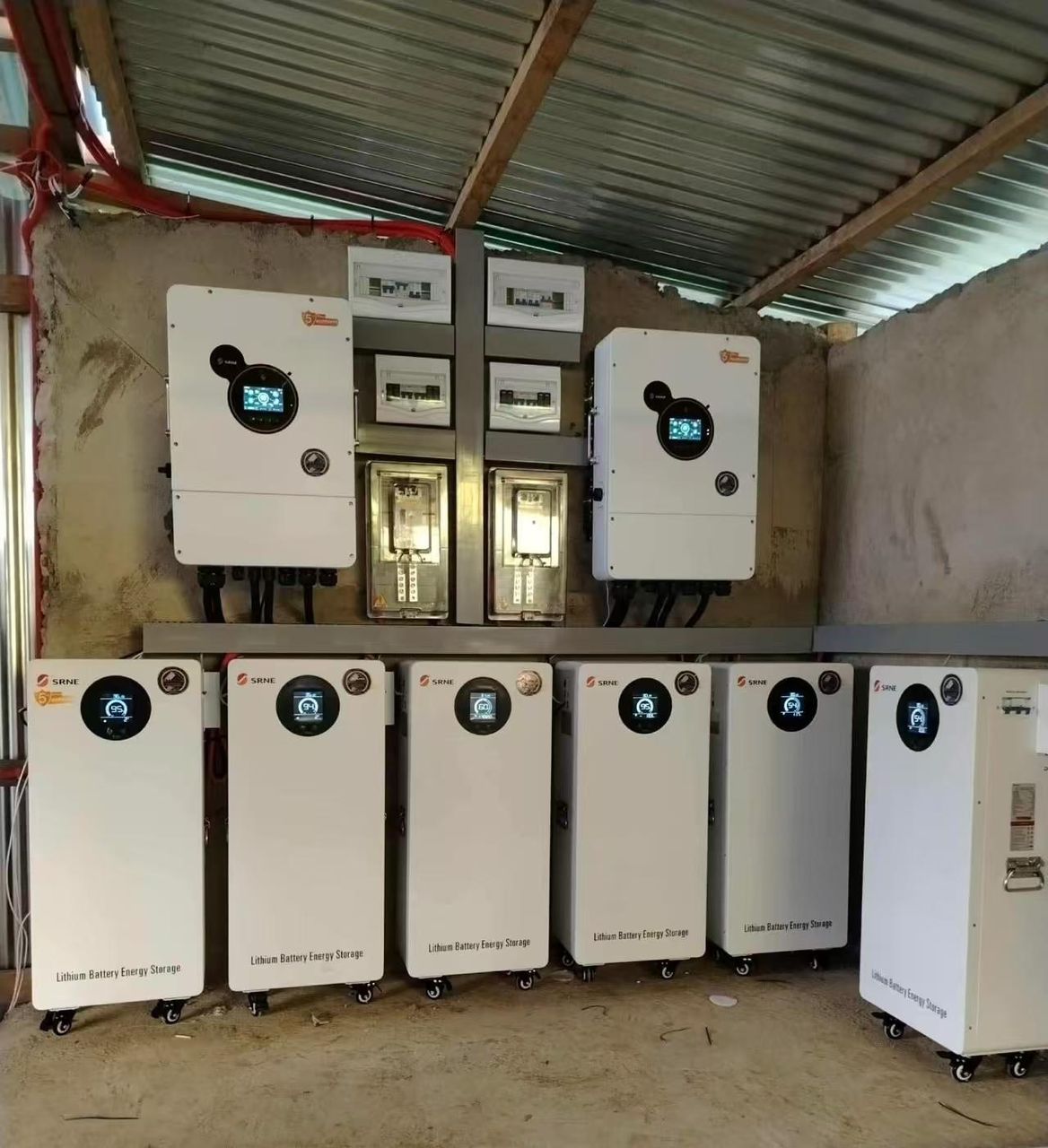
lithium ion batteries with hybrid inverters
Why Lithium Batteries and Hybrid Inverters Are the Future of Reliable Power in Uganda Power Your Home and Business with...
Jun 01, 2026
Read More
Ready to Go Solar?
Get a free consultation and personalized quote for your solar energy needs.